
Massage, Physiotherapy or Chiropractic: Which One Do You Need?
Massage, physiotherapy, and chiropractic treat different problems. Here is how to tell which one fits your situation, and why the three often work together.
19 August 2026 · 8 min read · By Kanchana Morasut, Licensed Thai massage therapist
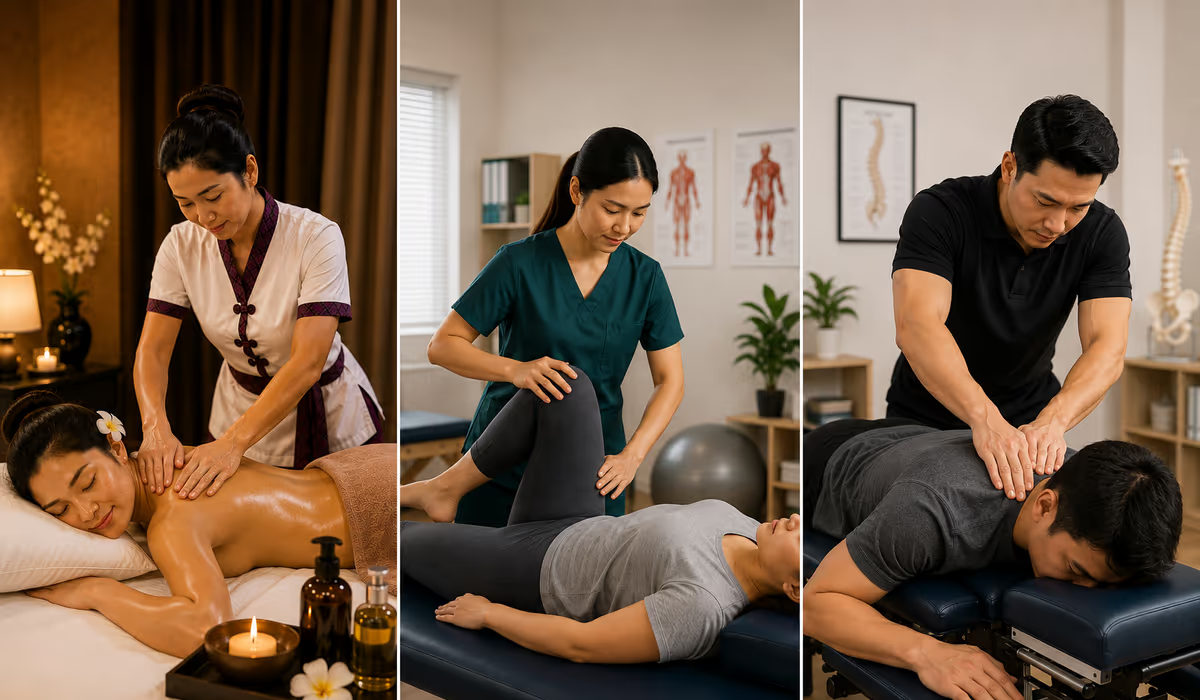
Massage, physiotherapy, and chiropractic all deal with aches and stiffness, but they do different jobs, so the answer depends on what your body needs. People often frame it as massage versus physiotherapy, when the three solve different problems. For sore, tense muscles and everyday stress, a massage is the right call. For rehabilitating an injury or a diagnosed condition, physiotherapy fits. For a specific spine or joint complaint you want assessed and adjusted, a chiropractor. Knowing which is which saves you booking the wrong one.
- Massage: hands-on soft-tissue work for tight, sore muscles and stress relief
- Physiotherapy: assessment and exercise-based rehab for injuries and movement problems
- Chiropractic: diagnosis and hands-on treatment focused on the spine and joints
- Red flags like numbness, weakness, or loss of bladder control need a doctor first
- The three often work together and can be combined
The short answer, by what you need
The right choice depends on the kind of problem you have. If your muscles are tight and sore and you want to feel loose and calm, a massage is the right choice. If you are recovering from an injury or surgery, or a problem keeps coming back, physiotherapy is built for that. If you have a specific spine or joint complaint you want assessed and adjusted, a chiropractor works on exactly that. And if you have warning signs like numbness or weakness, see a doctor before any of them.
What massage therapy is for
Massage therapy works on soft tissue: the muscles and the connective tissue around them. A therapist uses hands, pressure, and stretch to ease tension, loosen stiffness, lift local circulation, and help you relax. You do not need an injury to benefit, and plenty of people book a massage purely for stress and sleep.
What massage does not do is diagnose a condition or manipulate joints. It works on the muscle, not the joint itself. For tight shoulders after a week at a desk, a poor night's sleep, or general tension, it is often all you need. Our guide to deep tissue versus relaxation massage covers how firm to go.
What physiotherapy is for
Physiotherapy is rehabilitation. A physiotherapist assesses how you move, works out what is wrong, and gives you a plan, usually exercises, to fix it. Their training covers muscles, joints, and nerves, so their scope is wider than muscle tension alone.
See a physiotherapist when you are recovering from an injury or an operation, when a problem keeps returning, or when you need to rebuild strength and movement. The NHS describes physiotherapy as a treatment that can ease pain and improve movement for people with an injury, illness, or disability. A massage can feel wonderful in the moment, but it will not rebuild a weak knee; that kind of recovery is a physiotherapist's work.
What chiropractic is for
Chiropractic focuses on diagnosing and treating problems with the joints, muscles, and especially the spine. A chiropractor is trained to assess the issue, then use their hands to apply a controlled movement to a joint, often called an adjustment or manipulation.
People usually see a chiropractor for a specific complaint, like ongoing back or neck pain they want examined and manually treated. The US National Center for Complementary and Integrative Health notes that most spinal manipulation is done by chiropractors, and that it is one of several non-drug approaches used for low-back pain. If your issue is a stiff, sore muscle rather than a joint, a massage is the gentler and often more fitting first step.
Which one should you see?
Your main symptom is the deciding factor:
- Tense, stiff, stressed, or in need of relaxation and better sleep: a massage.
- Recovering from an injury or surgery, or a problem that keeps returning: physiotherapy.
- A specific spine or joint complaint you want assessed and adjusted: a chiropractor.
- Unsure what is wrong, or the pain is new and will not settle: start with your doctor or a physiotherapist for a proper assessment.
A massage is not the right first call for an undiagnosed injury, a sudden severe pain, or anything with warning signs. In those cases, book an assessment first and leave the massage for later.
These can point to something that needs medical attention, and hands-on treatment could delay the care you need.
Can you use more than one?
Yes, and they often work best in combination. A physiotherapist might set you exercises while a massage keeps the surrounding muscles loose enough to do them. A chiropractor might adjust a joint while regular massage eases the muscle tension around it.
The evidence supports the combined approach. The UK's National Institute for Health and Care Excellence, in its NG59 guideline on low back pain, advises considering manual therapy, including soft-tissue techniques such as massage, only as part of a treatment package that also includes exercise. So for a sore back, a massage does more when you pair it with movement, and that holds whichever professional you see. Our guide to massage for back pain goes deeper on it.
Where a home massage fits
If the massage part is what you need, tight, aching muscles or a stiff back after a long day, you can have that at home. A deep tissue massage at home suits a specific knot, while a gentler home Thai massage eases all-over stiffness and helps you unwind.
With Iris Home Massage, a licensed therapist comes to your home or condo in Bangkok, usually within 20 to 45 minutes, and works on your own bed. That covers the relaxation and muscle-tension side well. For rehabilitation or a diagnosis, a physiotherapist or doctor is the right place to start.
Common questions
Is massage or physiotherapy better?
Neither is better, they do different jobs. Massage eases sore, tight muscles and helps you unwind. Physiotherapy assesses and rehabilitates an injury or movement problem with a tailored exercise plan. Choose massage to relax and loosen tight muscles, and physiotherapy to recover from or fix an injury.
What is the difference between a massage therapist and a physiotherapist?
A massage therapist treats soft tissue by hand to relieve tension and help you relax. A physiotherapist assesses how you move, diagnoses the problem, and prescribes exercises to restore function. The physiotherapist's scope is wider and includes rehabilitation that massage does not cover.
Should I see a chiropractor or get a massage for back pain?
For an ordinary tight, achy back, a massage is a reasonable first step. If you want the spine itself assessed and manually adjusted, a chiropractor focuses on that. If the pain is severe, new, or comes with numbness or weakness, see a doctor first.
Can a massage therapist diagnose my injury?
No. Massage therapists treat muscle tension and stiffness, but they do not diagnose medical conditions. For a diagnosis, see a doctor, a physiotherapist, or a chiropractor, who are trained to assess and identify the problem.
Can I have massage and physiotherapy at the same time?
Yes, and they often complement each other. Massage can keep muscles loose and comfortable while physiotherapy rebuilds strength and movement. If you are under a physiotherapist's care, it is worth telling them you are also having massages.
Which should I try first if I just feel tense and stiff?
If there is no injury and no warning signs, and you simply feel tense and stiff, a massage is the natural first choice. If the stiffness does not ease over time, or it limits how you move, then see a physiotherapist for an assessment.
Book a home massage in Bangkok
If the massage side is what you need, sore and tight muscles rather than an injury to rehabilitate, a home massage is an easy place to start. Tell the therapist where you feel tight and how firm you like it.
A licensed therapist comes to your home or condo in 20 to 45 minutes, daily from 3 PM to 3 AM, and works on your own bed. Message us on WhatsApp or LINE to book a session.